More News
Media Contact
Dan Armstrong
Communications Consultant
(847) 749-9675
darmstrong@njhumanities.org
The Resource Roundup is a monthly email newsletter for the NJ Humanities community with helpful information, including notifications of funding, professional development events, meetings, and conferences from both NJCH and […]
In spring 2022, the New Jersey Council for the Humanities collected hundreds of responses from individuals throughout the state as part of our Democracy Conversation Project. Via both an online […]
The new Netflix film Rustin tells the long-overlooked story of Civil Rights leader Bayard Rustin, and an NJ Council for the Humanities-funded project at his namesake center in Princeton is sharing […]

Veterans Day event will feature a discussion with activist and former Guantanamo Muslim Chaplain Capt. James Yee, Warrior Writers workshop, and poetic performance In commemoration of Veterans Day, the New […]
The Resource Roundup is a monthly email newsletter for the NJ Humanities community with helpful information, including notifications of funding, professional development events, meetings, and conferences from both NJCH and […]
The New Jersey Council for the Humanities (NJCH) has announced the recipient of the 2023 Stanley N. Katz Prize for Excellence in Public Humanities, as well as two honorable mentions. […]
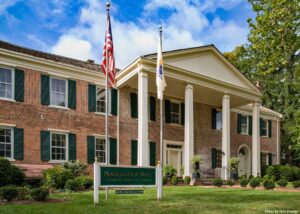
We held our last Community History learning session for this cohort on September 13. With this year’s program wrapping up, the CH23 cohort is beginning to look ahead to the November showcase.
Selected participants will receive funding and mentorship to strengthen local news and community resilience in Black communities across South Jersey The New Jersey Council for the Humanities (NJCH) and the […]
Free panel discussion Tuesday, October 3, 6:00-7:30 pm at Princeton Public Library On October 3, the New Jersey Council for the Humanities, the National Humanities Center, and Princeton Public Library […]
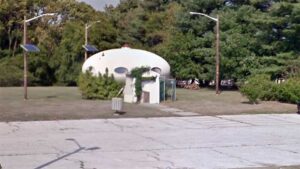
The Community History Program is often just the launching point for organizations that want to do community-based history work. Many organizations receive funding to continue their work after the program’s end, expanding the scope, detail, or impact of their original work.